
Love
Love and Healing: Being in a Relationship With an Addict in Recovery
How do I navigate a relationship with an addict in recovery?
Navigating this well means open communication, clear boundaries, and separate support systems for each of you. Recovery brings real growth potential, but also emotional ups and downs, so expect honesty about triggers rather than perfection. Encourage their therapy or support groups, protect your own self-care, and treat a relapse as a setback to work through together, not a verdict on the relationship.
Want this read for your exact situation? Get your free reading →

Do you have a partner who’s recovering from addiction?
Addiction is a widespread issue that affects not only those who suffer from it but also their loved ones. If your partner has an addiction, it can create various challenges and emotional difficulties. However, you can overcome these obstacles by working together and committing to personal growth and mutual support.
Our readers will discuss what it is like dating someone in recovery, the impact of addiction on relationships, and how to make it work.
What Is It Like Dating Someone in Recovery?
Dating someone in recovery from addiction offers a unique blend of challenges and rewards, marked by deep emotional connections and the potential for significant personal growth. Individuals in recovery often bring self-awareness and emotional depth to a relationship due to the personal development they are undergoing. This can pave the way for meaningful and fulfilling interactions, fostering a deep and enriching bond.
However, the journey of recovery is not without its hurdles. It involves confronting difficult emotions and situations without reverting to previous coping mechanisms. This can lead to periods of emotional volatility or stress. Communication plays a critical role in navigating these challenges. Expect open and candid discussions about feelings, struggles, and successes. Such honesty can enhance trust and intimacy, though both partners must be supportive and understanding.
Additionally, your role in your partner’s recovery is significant. Offering emotional support during tough times and celebrating milestones becomes part of your shared experience. At the same time, maintaining healthy boundaries and ensuring both partners have space for personal growth and self-care are crucial for a balanced relationship. This might mean adjusting social activities to avoid environments centered around alcohol or drugs, leading to new and creative ways to enjoy each other’s company.
Being in a relationship with someone in recovery is also a journey of learning and personal development. It offers insights into resilience, the transformative power of change, and the value of compassion. While it presents its own dynamics, many find these relationships deeply rewarding, grounded in mutual respect, understanding, and a shared commitment to growth.
The Impact of Addiction on Relationships
The impact of addiction on relationships can be profound and multifaceted, affecting both partners in several ways:
- Trust issues: Addiction can lead to behaviors that erode trust, such as lying, hiding substance use, or breaking promises. Once damaged, rebuilding trust is a long and challenging process.
- Emotional distance: Substance abuse often leads to emotional withdrawal or neglect, creating a gap between partners. The person struggling with addiction may become emotionally unavailable, leading to a lack of intimacy.
- Financial strain: Addiction can lead to financial difficulties due to the costs associated with substance use, loss of employment, or poor financial decisions. This strain can put additional stress on the relationship.
- Communication breakdown: Effective communication is key to a healthy relationship, but addiction can cause communication breakdown. Arguments may become more frequent, and meaningful conversations may become rare, leading to further misunderstandings and resentment.
- Health risks: The health risks associated with addiction, including the risk of overdose, can create constant worry and fear for the partner. This anxiety can be emotionally draining and can lead to physical health issues from the stress.
- Neglect of responsibilities: Addiction often leads to the neglect of household and parental responsibilities, placing an unfair burden on the other partner. This imbalance can lead to conflict and resentment in a relationship.
- Social isolation: Couples may become isolated from their social networks due to the stigma of addiction or because the addicted partner prefers to avoid social situations where substance use is not possible. This isolation can deprive the relationship of vital support systems.
How To Love Someone in Recovery
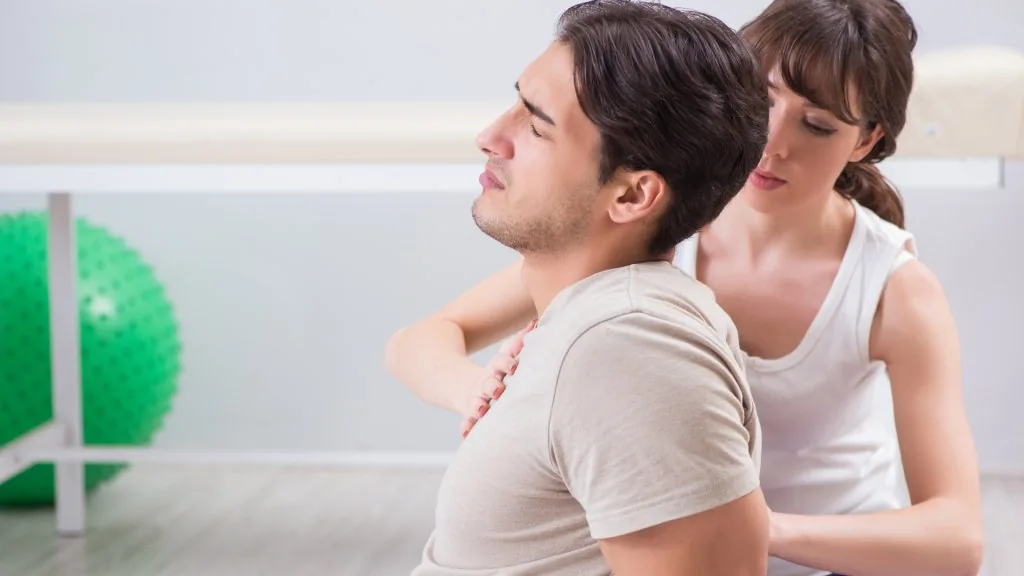
It can be challenging dating someone recovering from an alcohol or drug addiction. However, you can establish a harmonious and satisfactory relationship through hard work and a desire to be better together.
- Educate yourself: When dating a recovering addict, it is essential to learn more about addiction, recovery, and the associated challenges. Knowing the reasons for addictions allows you to show compassion for your partner and help them overcome their addiction. This can go a long way in assisting them in overcoming their struggles and achieving a successful recovery.
- Open and honest communication: Communication is essential in any relationship. This is particularly important in dealing with addiction and recovery. Both partners need a safe space to speak freely of their thoughts, feelings, and triggers without fear of judgment. Active listening and empathy develop trust and emotional connection. Thus, listening attentively and viewing things from each other’s perspective is essential to strengthen the relationship.
- **Set boundaries:**When recovery occurs, both partners must set clear and healthy boundaries. Individuals in recovery need structure and consistency to maintain sobriety, such as avoiding environments or substances that may trigger a relapse. Building trust again and sustaining stability requires both partners to respect each other’s boundaries.
- **Seek support:**Recovery is a lifelong journey. Both partners must have a strong support network. To help manage these challenges, individuals can participate in individual therapy, support groups, and couples counseling. It is important to remember that asking for support demonstrates strengths and a desire for personal development. You can also fix spiritual issues with an online psychic reading.
Rebuilding Relationships: Tips for Recovering Addicts
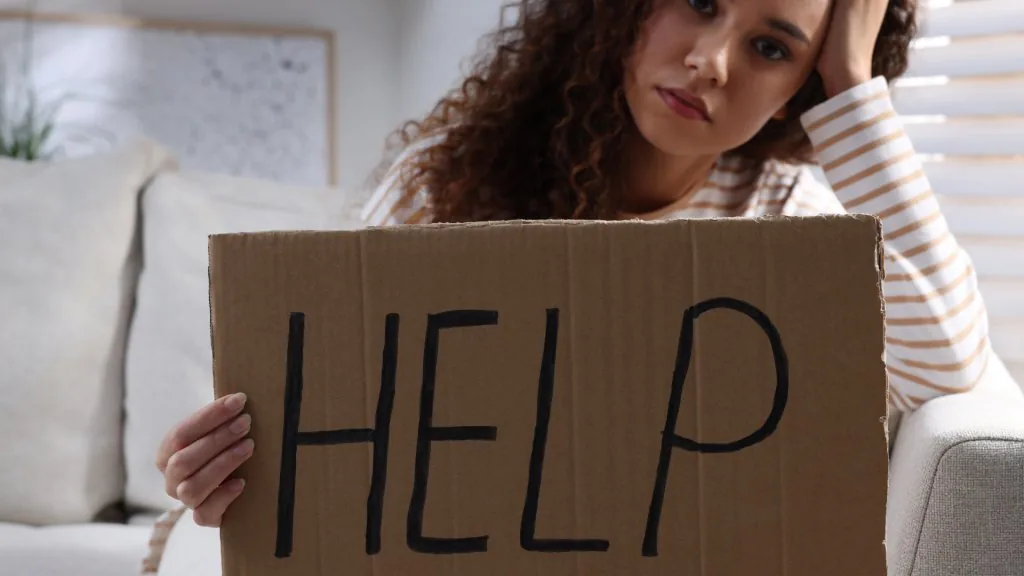
Recovering from addiction can be a difficult process, especially when it comes to repairing relationships that past actions may have damaged. However, with proper support, it is possible to make amends.
One of the most important steps toward healing is taking responsibility for past mistakes. This involves expressing regret and making a commitment to change. It is also important to be patient and understanding, as repairing a relationship takes time. Another crucial aspect is having honest communication with loved ones and listening to their concerns. Seeking counseling or therapy can be helpful as well.
Finally, it’s essential to prioritize self-care by finding ways to relax, stay active, and receive support from others in recovery. By prioritizing self-care, you can become a better friend or family member and work towards a brighter future together.
Is It Possible for Two Addicts To Maintain a Healthy Relationship?

Two people recovering from substance abuse disorder can have a healthy and satisfying relationship. However, it requires a solid commitment to staying sober, open communication, and a willingness to work through challenges as a team. Here are some essential things to consider:
- Individual healing: Addiction recovery for couples in a relationship should be based on their approaches to their healing journeys. This involves concentrating on their sobriety by attending support groups, therapy, or necessary resources. By actively working on themselves individually, they are better positioned to reciprocate and support each other.
- Mutual support and accountability: Mutual accountability and support are also vital. Partners should encourage each other to stay by engaging in meetings, sharing coping techniques, and celebrating successes. Mutual support and encouragement are essential for a successful early recovery journey.
- Honesty and transparency: Trust is fundamental for two recovering individuals. Honesty and openness about triggers, relapses, and challenges are essential to building and maintaining trust and creating a supportive environment.
Final Thoughts
A romantic relationship with an addict in recovery can be unpredictable. Yet, it offers opportunities for personal growth and deeper connection. A free yes/no tarot reading can offer unique insights and guidance, helping both partners navigate the uncertainties of recovery with greater clarity and understanding.
Do you believe in soulmates? Order a soulmate sketch today.
Frequently Asked Questions
What should I do if my partner relapses during their addiction recovery?
Relapse can be a part of the recovering drug addict process. It’s not a failure but an opportunity to learn and grow. As a support system, offer calm support, encourage them to seek help, and continue their recovery plan.
How can I support my partner in their addiction recovery?
To support your partner’s recovery from addiction, go with them to a treatment center, attend therapy with them, encourage support group participation, and be patient and understanding. Stay accountable for their sobriety, and offer emotional support when needed.
How can I tell if my partner is serious about their addiction recovery?
It’s tough to tell if your partner is committed to their addiction recovery. Look for signs like therapy, honesty, and positive changes. Remember, addiction is a lifelong journey with setbacks.
Related Articles
Finding Peace In a Relationship
Common questions
What should I do if my partner relapses?
Relapse is often part of the recovery process, not a failure of it. Offer calm, steady support, encourage them to get back to their recovery plan, and lean on your own support system too.
How do I support my partner without losing myself?
Keep your own friendships, hobbies, and therapy or support groups going alongside theirs. Support is sustainable when it's mutual, not when one partner disappears into the other's recovery.
What are healthy boundaries to set with a partner in recovery?
Common ones include avoiding environments centered on alcohol or drugs, agreeing on honesty around triggers and setbacks, and protecting time for your own well-being. Boundaries should be discussed openly, not imposed.
How can I tell if my partner is serious about recovery?
Look for consistent follow-through: therapy, honesty about struggles, and visible effort over time rather than promises alone. Recovery is a long journey with normal setbacks, so judge the pattern, not a single moment.