
Spells & Magic
Ostara: How to Celebrate the Wheel of the Year
A comprehensive guide to celebrating the festival of Ostara. How to incorporate Ostara into your craft and decorate your altar.
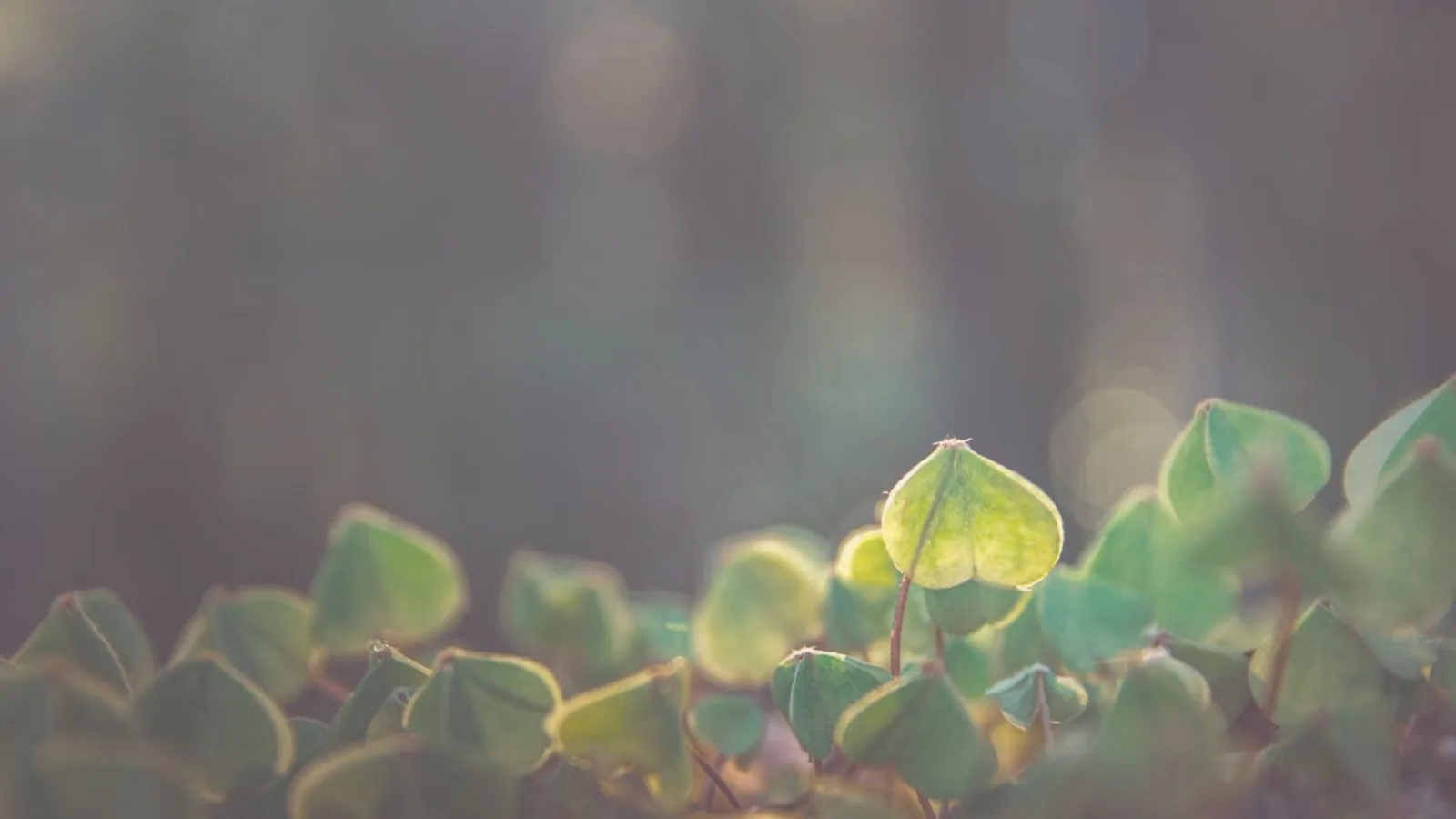
Ostara. The spring equinox.
According to pagan traditions, every year is part of a tremendous seasonal cycle. The magic and power of the world come from nature’s never-ending shifts from one season to the next.
Even modern, non-pagans recognize the change in seasons all over the world. It dictates what we can do at any given moment in life. While the seasons will pass on without our interference, observing and celebrating them can be healing and helpful.
The result: the seasonal pagan holiday.
Cultures and religions worldwide believe properly welcoming or saying goodbye to a season can bring abundance, peace, fertility, happiness, and luck. Some even believe that proper celebration of seasonal holidays can prevent the wrath of the gods and stave off misfortune.
Modern pagans have incorporated this idea into their observation of the passing seasons and marked the year with eight sabbats.
In our overview article, you can read more about this Wheel of the Year, but here, we’ll venture into Ostara.
[[
](https://therelationshippsychics.com/wp-content/uploads/2023/11/PsychicsDraw-1200-×-300-px.hevc_.mp4)](https://shop.therelationshippsychics.com/optinskydp5t2)
What is Ostara?
Astronomically speaking, Ostara marks the midway point between the summer solstice and winter solstice. On Ostara, the day and night are of equal length, and the world is continuing to warm up. The days will get longer until they reach their height on the summer solstice.
For the northern hemisphere, this falls somewhere between March 20th-23rd. (Like all wheel of the year holidays, observers in the southern hemisphere should jump ahead six months and celebrate according to their corresponding season.)
For people who celebrate, Ostara is the great fertility and spring festival. Crops can be planted without fear of frost, and some plants and animals are already full of life.
Ostara Folklore
Ostara is one of the most recognizable holidays in the modern Western world since parts of it are still celebrated as Christian Easter. But the pagan traditions have ancient roots in both Celtic and Germanic cultures.
Goddess Ostara
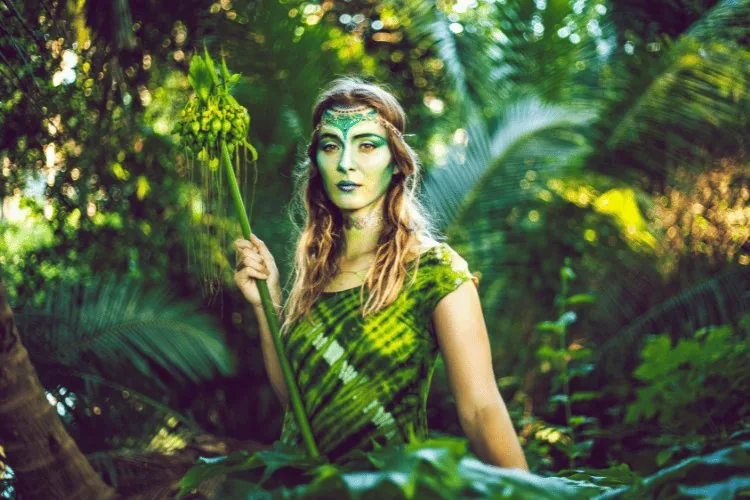
The ancient goddess Ostara, Goddess Eostre, is a Proto-Indo-European fertility goddess. Her presence in different cultures’ folklore varies slightly, but in all cases, she represents the fertility of spring.
Her name comes from a common root word in many Indo-European languages that mean “to shine.” This same word is the origin of the east–the direction in which the sun rises. The rising sun would represent spring if the year were condensed into one day.
In Celtic tradition, Germanic tribes, Norse mythology, and most of Northern Europe, Ostara and her Germanic goddess variation embody spring. A posse of rabbits and hares follow her, and she is responsible for the birds that lay eggs in spring.
Some scholars suggest that Ostara is a fictional invention of the ancient poet Bede. But even still, he was deeply inspired by folk traditions and the spring goddess figure that appears across European mythologies.
Easter Connections
As Christian missionaries encountered pagan tribes across Europe, they searched for ways to connect their religion to that of the local peoples. Christian Easter is meant to recognize the resurrection of the Christ figure, but much of the secular celebration of the holiday shows its pagan roots.
For example, the Easter bunny or hare has nothing to do with Christian theology but is a holdover from pagan symbolism. Ostara–as well as the Norse goddess Freya–were served by hare attendants. Unsurprisingly, these spring goddesses are associated with rabbits and hares, which multiply in huge numbers at the start of spring.
Ostara Celebrations
The modern pagan celebration of Ostara can take many different forms, but a few are absolute classics that practicing witches can benefit from adding to their repertoire.
Color Eggs
Eggs are deeply symbolic across Ostara celebrations. They’ve even found a place in the traditions of Easter morning, in which children are sent out to hunt for hidden easter eggs.
It should be no surprise that this mimics the old-fashioned practical task of collecting eggs for sustenance. Most wild birds stop laying eggs throughout winter, but when spring arrives, people can finally collect them again.
Nowadays, we’re not as dependent upon the arrival of spring for sustenance. But eggs are still symbolic of new life and fertility. As a result, they make for a perfect Ostara decoration, and painting or dyeing eggs in the bright colors of spring flowers is an excellent way to observe the holiday.
Plant seeds
While some of the earliest bulbs could have been planted in the previous fall, Ostara is the time to plant seeds for the upcoming season.
Religious or secular, spring celebrations should always involve a bit of gardening. Digging your hands in the soil and facilitating new life is a healing and hopeful process that will bear fruit later in the year–sometimes when you least expect it.
This is an excellent time to invest in the future.
Decorate your altar
Every holiday can and should involve the decoration of an altar. But Ostara is particularly well-suited to an altar because many things can be used as decorations! You can arrange flowers, eggs, budding tree branches, and any kind of early fruit on your altar in reverence to the Goddess who blesses us all with life.
Setting Intentions for Ostara
One of the most straightforward and sincere ways to observe Ostara and incorporate it into your craft is to set intentions on that day for the next season of your year.
Below, we’ve written out a few intentions you can speak aloud as you observe the holiday.
For Productivity
“Like the budding plants of spring, I seek to bring new energy and life into the world. May the universe grant me the perseverance and discipline to create and accomplish what fulfills me. Let my energy generate love and insight.”
For Growth
I call upon the sun’s warmth, the nourishing earth, life-giving water. I plant my intention. Grow from love and my natural affection for the wonder and magic of living. Spread your leaves to receive the light. Teach me, likewise, to absorb pure and bright energy. Teach me to reach toward that which helps me grow.”
For Vitality
“I invoke Ostara, Eostre, goddess of the Dawn and Spring. As the world returns to life, as nature revels in its rebirth, so does my spirit revitalize. Bless me with energy and liveliness to enjoy the newly arrived warmth and sunshine.”
Ostara Symbols
When it comes to observing any of the holidays, the most important thing is that you celebrate from the heart. If you don’t have access to the following symbols or decorations, your Ostara celebration will not be any less for it; as long as you step out onto the earth and thank it for its blessings, you’re all set.
But if you want to participate in the traditional festivities, here are a few things you can incorporate for an authentic Ostara celebration.
Animals
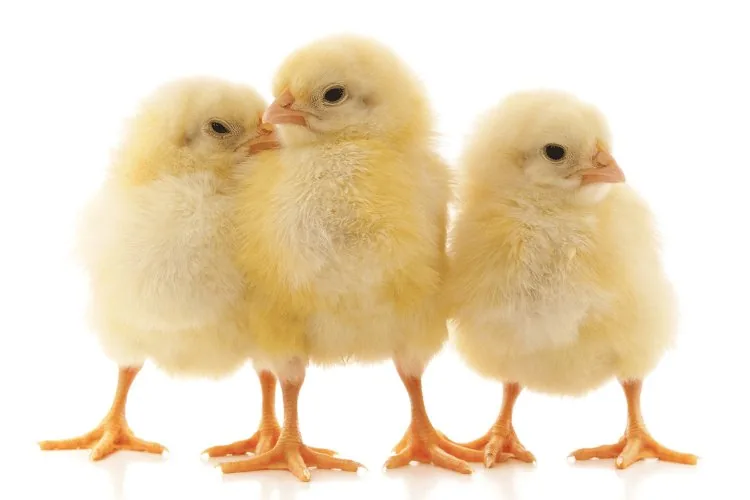
Chicks, horses, lambs, rabbits, and robins are all plentiful at Ostara, and you can invoke their images in decorations of all sorts.
Herbs and Flowers
Traditionally, clover, forsythia, honeysuckle, jonquil, lilies, and tulips are all in the season. But depending on where you live, you can use any flowers and greenery to show thanks to nature.
Crystals
Aquamarine, moonstone, and rose quartz are all crystals appropriate for Ostara. Similarly, pale pink, robin’s egg blue, and other pastels are the best colors for candles and other decorations.
Trees
Dogwood, olive, and willow are all in season. Decorating these trees or decorating your home with leaves, branches, and berries from these trees will empower your observance.
Decorations
Baskets, budding twigs, bunnies, ribbons, colored eggs, and clover make incredible decorations for your home and altar.
Why observe Ostara?
No holiday practices are required for a witch looking to hone their craft. Many witches are entirely secular and leave out the premises of divinity and holidays altogether. But magical energy is inseparable from nature, so you will get more effective results if you recognize these seasonal shifts.
Ostara reminds us of the vitality of life and encourages us to partake in it.
Wheel of the Year Holidays
Imbolc (February 1st)
Ostara (March 20-23)
Beltane (May 1st)
Litha (June 20-23)
Lughnasadh (August 1st)
Mabon (September 20-23)
Samhain (November 1st)
Yule (December 20-23)
[[
](https://therelationshippsychics.com/wp-content/uploads/2023/11/PsychicsDraw-1200-×-300-px.hevc_.mp4)](https://shop.therelationshippsychics.com/optinskydp5t2)
Looking to chat with a psychic now?
Connect with our psychics right away by installing our app Mystica Psychic Readings.