
Love
The Dangers of Double Standards in Relationships and How To Address Them
How do I deal with double standards in my relationship?
A double standard is holding your partner to a rule you don't follow yourself, like expecting instant replies while taking your time to respond. Left unaddressed, it breeds resentment and an unequal power dynamic in the relationship. The fix is naming the pattern out loud, identifying what triggers it, and agreeing on one shared standard that applies to both of you.
Want this read for your exact situation? Get your free reading →

Do you feel like your partner is treating you unfairly?
Regarding relationships, it’s essential to treat each other fairly and respectfully. But sometimes, we may not even realize that we’re holding our partners to different standards. These unbalanced expectations can create a breeding ground for misunderstanding and resentment in a relationship.
Our online psychics will explore this issue to determine its signs and solutions.
What Is Double Standard in Relationships?

A double standard in a relationship is when one person is treated differently than the other in similar situations. For example, if one partner gets upset when the other doesn’t answer texts quickly but then takes a long time to reply themselves, that’s a double standard.
It’s like having two sets of rules – one for each person in the relationship. This can cause problems because it’s unfair and makes one feel less valued or respected. Both partners should be treated equally and follow the same rules to keep the relationship healthy and happy.
Examples of Double Standards in Relationships
If you want to address and resolve double standards in a relationship, it’s essential to be able to identify them. Here are some common signs that may indicate the presence of double standards:
1. Communication expectations.
It’s common for one partner to expect instant replies to texts or calls while they themselves respond at their leisure. This can create stress for the more responsive partner, who may feel pressured to always be available. Both partners must understand and respect each other’s schedules and responsibilities to establish a fair and reasonable expectation for communication.
2. Social freedom.

If one partner frequently enjoys outings with friends or pursues hobbies but criticizes or restricts the other for doing the same, it creates an imbalance. This double standard can lead to self sabotage, as it stifles one partner’s personal freedom and social life. Healthy relationships should allow both individuals equal opportunities to enjoy personal time and social interactions.
3. Household responsibilities.
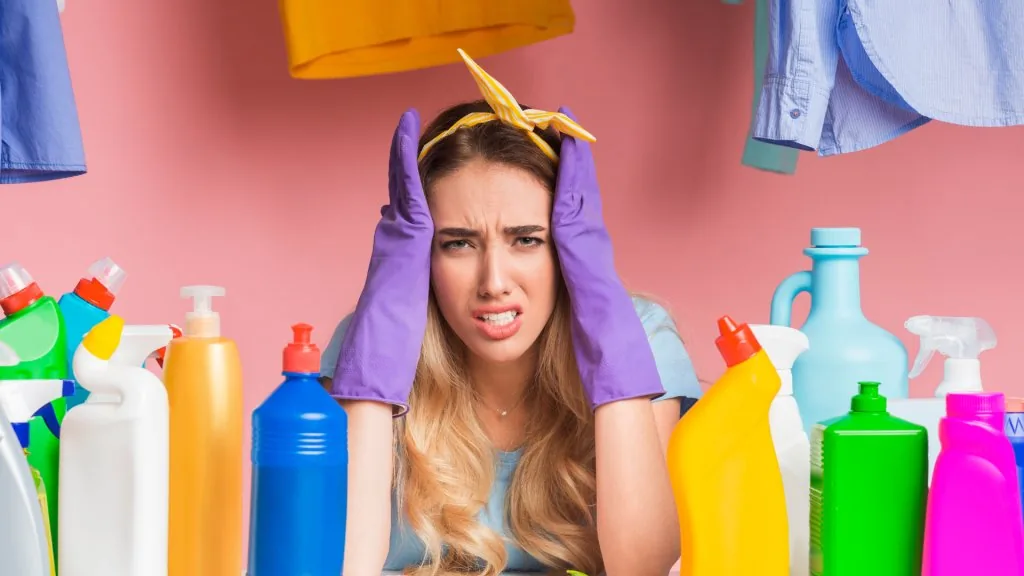
In many relationships, there’s an unfair expectation for one partner (often influenced by traditional gender roles) to take on a larger share of household chores, even if both work similar hours. This imbalance can lead to feelings of being undervalued and overburdened. Sharing chores based on time, ability, and preference helps in creating a more equitable living environment.
4. Financial decisions.
Sometimes, one partner may scrutinize and criticize the spending habits of the other while freely spending without consultation. This can create a dynamic of control and inequality in financial matters. Open and honest discussions about finances and mutual decision-making are key to handling money fairly.
5. Emotional support.
In some relationships, one partner consistently provides support and empathy but doesn’t receive the same level of emotional care in return. This can lead to emotional exhaustion and a sense of neglect. Ensuring that both partners have equal emotional support and understanding is vital for a healthy relationship.
6. Career Priorities.

When one partner’s career is prioritized over the other’s, often due to traditional gender roles or other biases, it can lead to resentment and a feeling of sacrificed personal growth. Both partners should have the opportunity to pursue their careers and professional goals with support and understanding from each other.
7. Jealousy and trust.
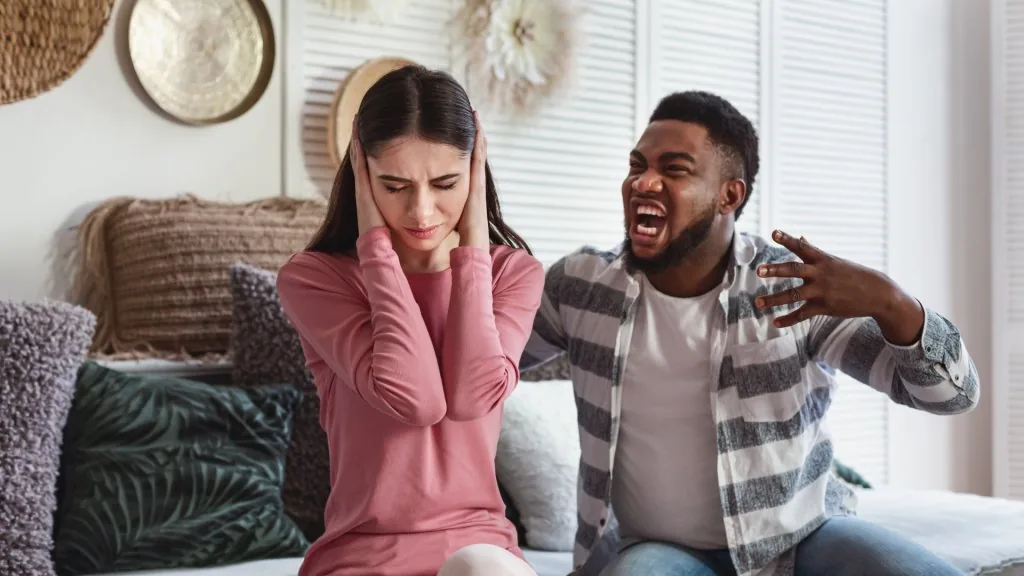
If one partner can express jealousy and question the other’s actions but becomes defensive or upset when faced with similar questions, it creates a trust imbalance. Both partners must adhere to the same standards of trust and communication, addressing jealousy healthily and respectfully.
Dangers of Double Standards in Relationships
Having double standards in a relationship can be incredibly harmful. It undermines trust and the sense of equality and creates a toxic power dynamic. If not addressed promptly, these issues can lead to resentment, emotional distance, and even relationship breakdown over time. Therefore, it is crucial to identify and resolve these issues as soon as possible. If you feel you haven’t found the right one, order a soulmate sketch to know your soulmate’s appearance and personality.
How to Address Double Standards With Your Partner

If you are currently experiencing double standards in your relationship, there are practical steps you can take to address the situation and work towards a more equitable relationship.
- Acknowledge the double standards: Start by recognizing that there might be different standards for you and your partner. Talk to each other openly and honestly about how you both feel and what you’ve experienced.
- Identify and discuss triggers: Look closely at the actions or behaviors that cause these double standards. By pinpointing these triggers, you can set up clear boundaries and expectations that work for both of you. This will help prevent any misunderstandings or conflicts from arising in the future.
- Practice empathy and active listening: Whether you’re dating or married, it’s important to establish healthy communication. This means respectfully listening to their concerns and sharing your thoughts and feelings. Doing this lets you better understand each other and find ways to compromise.
- Prioritize equality and fairness: Equality and fairness are vital to a healthy relationship. Treating each other respectfully and with dignity and challenging biases or prejudices are essential. By practicing reciprocity, you can help create a happy and harmonious relationship.
- Seek professional help, if Necessary: If you feel like you’re not being treated fairly in your relationship or things are worsening, it might be a good idea to talk to a couples therapist or get an online psychic reading. These professionals can give you helpful advice and support to help you work through the tough times and find solutions.
Final Thoughts
Dismantling double standards in relationships requires open communication, self-awareness, and a commitment to fairness. You can build a stronger, more respectful relationship by challenging these inequalities. Also, a free yes/no tarot reading can offer spiritual insights and perspectives to uncover underlying issues and guide you toward balance and equality.
Frequently Asked Questions
Is it possible to overcome double standards within a relationship?
Yes, it is possible to address and resolve double standards through honest, open communication and willingness to make changes.
Are double standards a normal part of relationships?
While double standards may arise in relationships, it is essential to recognize that they are not healthy or sustainable. Striving for fairness and equality in all aspects of a relationship is crucial.
How can double standards impact the long-term health of a relationship?
Double standards can damage trust, create resentment, and lead to emotional distance, ultimately jeopardizing the stability and longevity of a relationship.
Related Articles
Common questions
What are common examples of double standards in relationships?
Mismatched expectations around communication response times, social freedom, household chores, and jealousy are frequent ones. Financial scrutiny that only goes one direction is another common example.
Can double standards be fixed?
Yes, through honest conversation, acknowledging the imbalance, and both partners committing to the same standard going forward. It takes ongoing awareness rather than a single conversation.
Are double standards a normal part of relationships?
They show up in many relationships without either partner fully realizing it, but that doesn't make them healthy. Left unaddressed, they tend to erode trust over time.
How do double standards affect a relationship long-term?
They can damage trust, create resentment, and lead to emotional distance if never addressed. Over time, this imbalance can put real strain on the relationship's stability.