
Love
Understanding and Coping With Separation Anxiety In Relationships
How do I cope with separation anxiety in my relationship?
Start by identifying what specifically triggers your anxiety, then practice gradual exposure, short separations that slowly get longer as you build confidence. Mindfulness and reframing anxious thoughts help in the moment, while building your own routines, hobbies, and support system outside the relationship builds independence over time. If the anxiety is intense or constant, a therapist can help you address what's underneath it.
Want this read for your exact situation? Get your free reading →

Do you struggle with separation anxiety in relationships?
We all love being around our partners and can be unhappy when they are away. However, this feeling is extreme in some people. If you experience overwhelming fear or concern when your lover is away, you may have separation anxiety.
In this article, our relationship psychics will explain what separation anxiety is in a relationship and how you can overcome it.
What Is Separation Anxiety in Relationships?
Separation anxiety in relationships is when someone feels very worried or uneasy when they’re not with their partner. It’s like feeling a strong fear of being apart from them. This can happen even if the separation is just for a short time.
People with separation anxiety might constantly worry about their partner leaving them, or they might need a lot of reassurance that the relationship is okay. They might also feel nervous or upset when they can’t be with their partner. This is different from just missing someone; it’s a deeper feeling of anxiety that can be quite overwhelming and affect how they feel in their daily life.
Is Separation Anxiety the Same As Codependency?
While both separation anxiety and codependency involve reliance on a partner, they focus on different things. Codependency is when a person relies too much on their partner for their emotional and psychological needs. They might struggle to make decisions independently, and their self-worth might be tied to their partner or relationship. It’s more about needing the other person to feel okay about themselves rather than just fearing being apart.
Causes and Triggers of Separation Anxiety in Relationships

Source: Canva
Relationship separation anxiety can pose challenges in maintaining a balanced and secure connection with a romantic partner, whether married or dating. The following are the causes and triggers of separation anxiety:
1. Past trauma or loss.
Experiencing trauma, abandonment, or loss can contribute to heightened separation anxiety. A person who has experienced being left alone may seek reassurance from their current relationship.
2. Lack of trust.
Trust issues in a relationship can trigger separation anxiety. If an individual has experienced betrayal or broken trust, they may find it hard to be away from their partner without feeling anxious.
3. Dependency.
Being overly dependent on a partner for emotional support and validation can also result in separation anxiety. People who invest too much of their emotional well-being in the relationship may have difficulty coping when apart.
4. Fear of abandonment.
The fear of being abandoned or rejected by a partner is another trigger. This fear may stem from previous experiences where one may have experienced the same. It could also be from relationship insecurities or the innate fear of being alone.
5. Uncertain future.
Ambiguity about what the future holds for the relationship can cause separation anxiety. In a long-distance relationship, uncertainty about when a couple will be reunited can trigger separation anxiety.
6. Communication challenges.
Communication problems, like misunderstandings, misinterpretations, or the lack of contact, can trigger anxiety. The absence of clear communication and reassurance can heighten one’s fears or anxiety.
7. Change in routine.
Sudden changes in routine, like when a partner leaves for work, can bring out separation anxiety. Because of the feeling of uncertainty or unfamiliarity that these occurrences create, an individual may feel anxious.
8. Personal insecurities.
Low self-esteem can also contribute to the feeling of separation anxiety. The fear that comes with the idea that one’s partner will find someone else can heighten when they are apart.
Signs and Symptoms of Separation Anxiety in Relationships

Source: Canva
Individuals with an anxious attachment style may be more prone to developing separation anxiety. The following are the signs and symptoms of separation anxiety:
- Extreme worry when apart: Feeling anxious, nervous, or stressed when you’re not with your partner.
- The constant need for reassurance: You always need to hear from your partner that the relationship is okay and they’re not leaving you.
- Overwhelming fear of abandonment: Worrying that your partner might leave you, even if there’s no real reason to think so.
- Difficulty doing things alone: Struggling to enjoy or manage daily activities without your partner.
- Excessive contact: You need to constantly call, text, or check in with your partner when you’re not together.
- Avoiding time apart: Trying to avoid being apart from your partner, even for healthy activities like spending time with friends or personal hobbies.
- Physical symptoms: Experiencing physical signs of anxiety, like stomach aches, headaches, or panic attacks, when separated from your partner.
How Does Separation Anxiety Affect Relationships?
Separation anxiety can have a big impact on relationships. Here’s how:
- Stress and tension: Constant worry and need for reassurance can create stress for both partners. This tension can lead to arguments or misunderstandings.
- Lack of independence: If one person is always anxious about being apart, it can be hard for both partners to enjoy their own hobbies or spend time with friends. This can make the relationship feel suffocating.
- Overdependence: The anxious partner might rely too much on the other for emotional support, which can be exhausting and overwhelming for the other individual.
- Trust issues: Constantly needing reassurance and fearing abandonment can make it seem like a lack of trust in the relationship.
- Limiting personal growth: When one person is always focused on the relationship, they might miss out on personal opportunities for growth and development.
- Emotional drain: Dealing with high levels of anxiety regularly can be emotionally draining for both partners.
How To Overcome Separation Anxiety
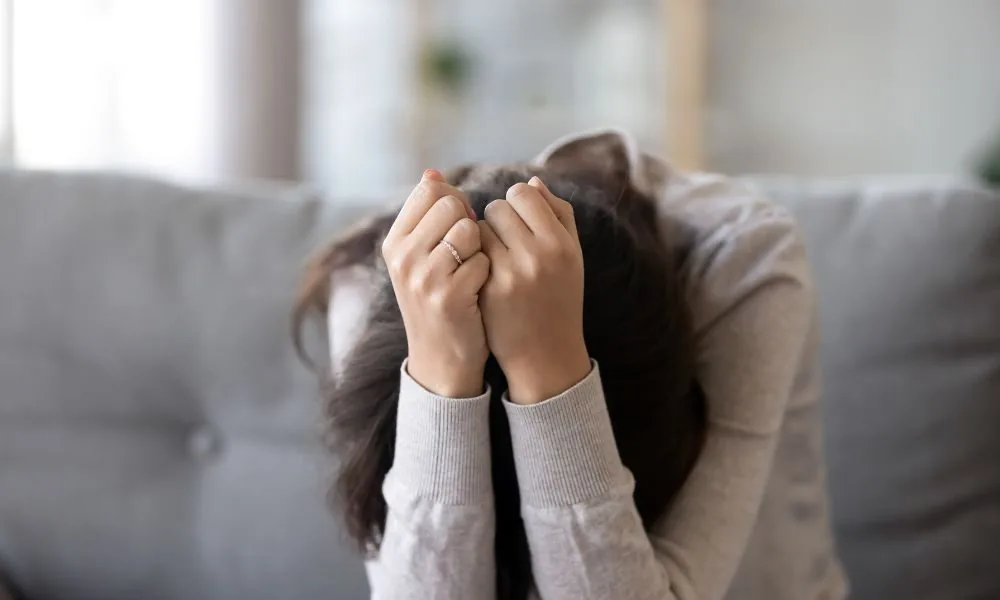
People who experience separation anxiety in relationships may have a hard time going about their day. Hence, they may find exploring effective strategies to manage separation anxiety beneficial. The following are the things you can do to overcome separation anxiety:
1. Understand the triggers.
Relationship separation anxiety can pose problems, especially in maintaining a balanced and secure connection with your partner. You should be able to identify the situations, people, or events that trigger your separation anxiety. Likewise, you must understand these triggers to devise coping mechanisms to lessen their effects.
2. Gradual exposure.
Exposing yourself gradually to instances that trigger your separation anxiety can help you adjust to it in the long run. You can start with short separations and progressively increase the duration as you become comfortable.
3. Practice mindfulness.
Mindfulness practices like deep breathing exercises or meditation can help manage anxiety. These techniques can help alleviate your mind from your stressors and reduce the feeling of distress.
4. Challenge negative thoughts.
You must challenge and reframe negative thoughts linked with separation. Remember that things will still go well despite your distance from your significant other. Moreover, replace the feeling of fear with a positive mindset.
Do you need further guidance to make informed decisions regarding your union? Check out our Yes/No tarot reading now.
5. Establish a routine.
Establishing a routine is also important. Doing so keeps your mind occupied. It also creates a sense of predictability and stability. Knowing what will happen because of the routines set can help reduce anxiety.
6. Develop independence.
Partners in long-distance relationships should work on developing independence and self-reliance. They should learn to strengthen their ability to thrive independently by engaging in activities that will bring them joy.
7. Build a support system.
A strong support system is important. Having the opportunity to share your feelings with friends and family can help lessen the sadness. They can also provide you with the understanding and guidance you need.
8. Communicate openly.
Communicating openly with loved ones is important. Airing your thoughts and concerns to others can alleviate the feeling of anxiety. It is important to discuss your concerns for better understanding and support.
9. Create positive associations
Linking separations with positive experiences can also do wonders. It is important to focus on upcoming reunions with your beloved instead of thinking too much about the separation.
10. Use technology.
Using technology to keep yourself connected with your loved ones is something that you should also consider. Regular video calls and messages can help bridge the gap and strengthen your connection and bond with them.
11. Seek professional help.
If separation anxiety affects your daily life, it is best to seek the help of a professional. A licensed therapist or professional can help you adjust to the separation by employing tailored strategies and support. Also, consider getting a psychic reading online to enlighten you regarding your union.
12. Medication (if necessary).
Mental health can be affected when individuals develop separation anxiety. In severe cases, medication could be prescribed by a healthcare professional to help manage symptoms of anxiety. It is typically considered when other interventions have not been successful. While needing to take medications for some is possible, this should be taken with a prescription from a doctor.
Final Thoughts On Separation Anxiety In Relationships
Separation anxiety in relationships is a challenging but manageable issue that requires patience, understanding, and often professional guidance. You can strengthen their relationships and personal well-being by recognizing the signs and taking proactive steps toward building trust and independence.
Are you yet to find your soulmate? Ease your search with a soulmate sketch.
Frequently Asked Questions
Is separation anxiety common in relationships?
Yes, but with varied intensity. Some may experience mild discomfort, while others might face more significant challenges.
Are there specific events that trigger separation anxiety in relationships?
Events like travel, work, or changes in routine can trigger separation anxiety. Understanding these triggers can help couples navigate challenges more effectively.
Can separation anxiety be a sign of deeper emotional issues?
In some cases, yes. Separation anxiety may be linked to an underlying emotional issue or past traumas. Hence, seeking professional guidance can help uncover and address deeper concerns.
Related Articles
The Complete Guide to Twin Flame Separation
Common questions
What's the difference between separation anxiety and codependency?
Separation anxiety is fear of being apart from your partner; codependency is relying on them for your sense of self-worth and identity. They can overlap but aren't the same thing.
What usually causes separation anxiety in relationships?
Common triggers include past trauma or abandonment, trust issues, high emotional dependency, and uncertainty about the relationship's future.
Is it common to feel anxious when a partner is away?
Mild worry is normal. It becomes separation anxiety when the fear is intense, constant, or interferes with daily life and independence.
When should I see a professional about this?
If the anxiety disrupts your daily functioning, relationships, or well-being despite your own coping efforts, a licensed therapist can help you work through the root causes.