
Spells & Magic
Witchcraft 101: Herbal Magic
Learn how to use herbs to help your relationships with this Witchcraft 101: Herbal Magic guide. Learn how to use the Herbal Magic guide.
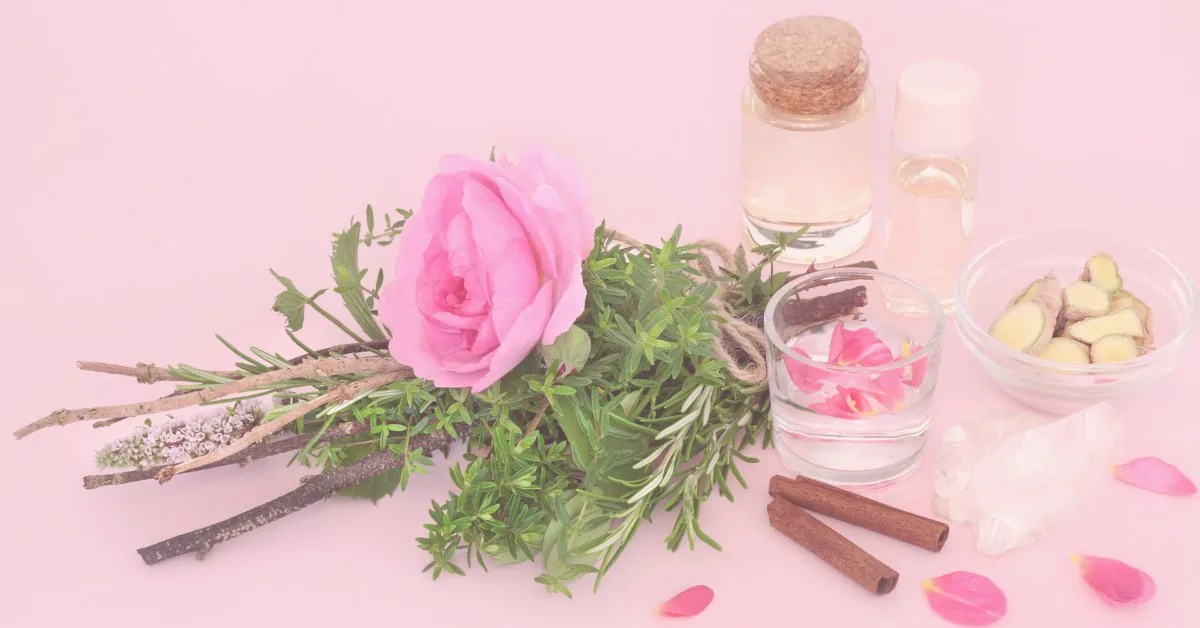
We’ve all used herbal magic in one form or another. Mainly we use herbs in food.
Rosemary and thyme in Italian and French cuisines. Cloves, cardamom, and turmeric are in Indian cuisine. Star anise, black pepper, and hemp are in Chinese cuisine.
Even medicinally, we know the benefits of herbs.
People use herbs like goldenrod in making tea or tincture to ease the flu and internal inflammation. Other herbal remedies include using the flesh from an aloe vera plant to soothe sunburn and dry skin.
But there are other uses for herbs outside the kitchen and medicinal world: magic — herbal magic. We see herbal magic used in almost all cultures and religions.
Don’t worry if you can’t access your magical garden or produce essential oils; you can forage or buy your own! Today, magical herbs are about accessibility, simplicity, and your intentions.
If you can’t get one ingredient, you can substitute it for another! Use what’s available to you — your magic will transform before you.
This article will show all the basics of using herbs in your spells! We’ll tell you which herbs you can use, how to store your herbs, and more!
[[
](https://therelationshippsychics.com/wp-content/uploads/2023/11/PsychicsDraw-1200-×-300-px.hevc_.mp4)](https://shop.therelationshippsychics.com/optinskydp5t2)
What is Herbalism in Magic?
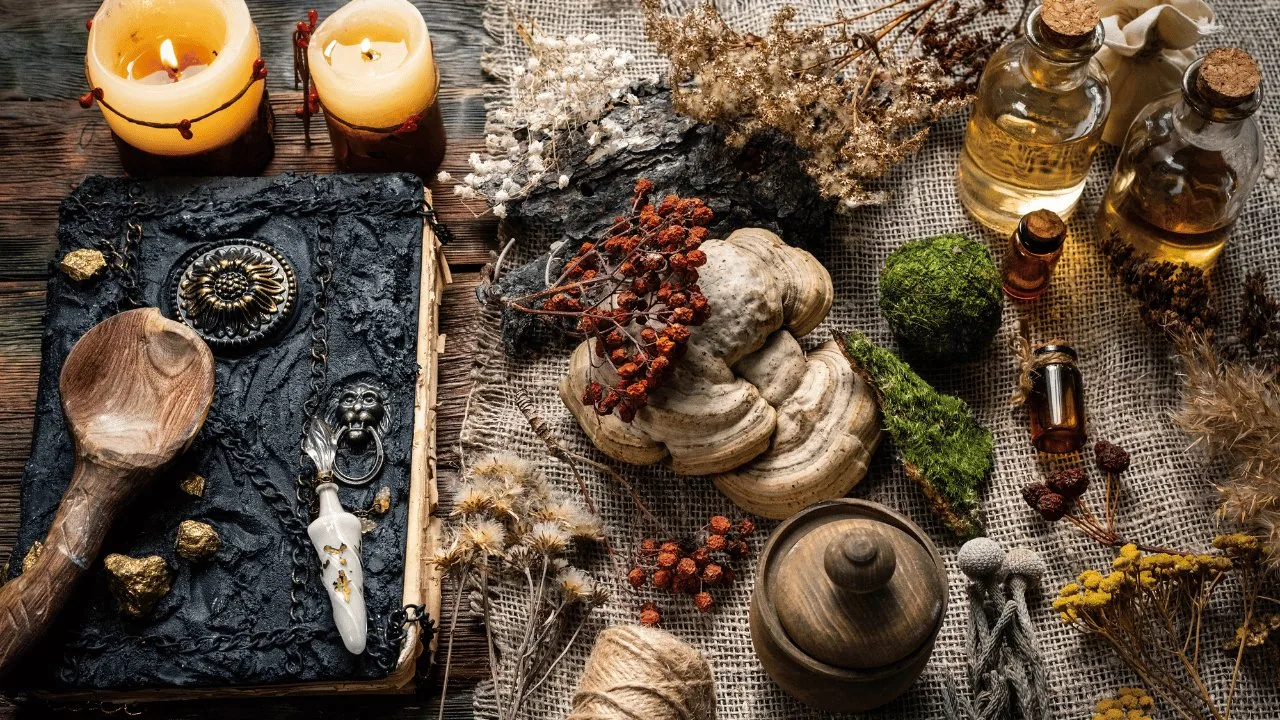
Traditional and modern witchcraft has used herbal magic for centuries, from using herbs in potions and charms to casting magic circles. Herbal magic keeps us connected to the Earth and grounded in nature’s energy. Magic transforms and directs energy; our Great Mother, the Earth, is our primary source.
Herbalism in magic doesn’t stop at just things like rosemary or lavender. It also extends to all types of plants and minerals. Using salt is an example of herbalism — salt is used to purify, cleanse, and protect people and spaces.
Also, herbal magic uses whole roots of plants, such as the John the Conqueror root. It’s thought to be from the roots of Ipomoea purga or jalap.
John, the Conqueror’s root, would be held in one’s hands, pockets, or socks to give luck in gambling, in court cases, luck against enemies, and general luck to follow them. This root gets its victorious name from the African-American folklore hero.
Legend has it that John was a Congolese prince who became enslaved in the Americas. He always remained firm in spirit and courageous. Folklore says he would often outsmart his contemporaries, enslavers, and enemies with intelligent and mind-bending tricks.
More on Herbalism
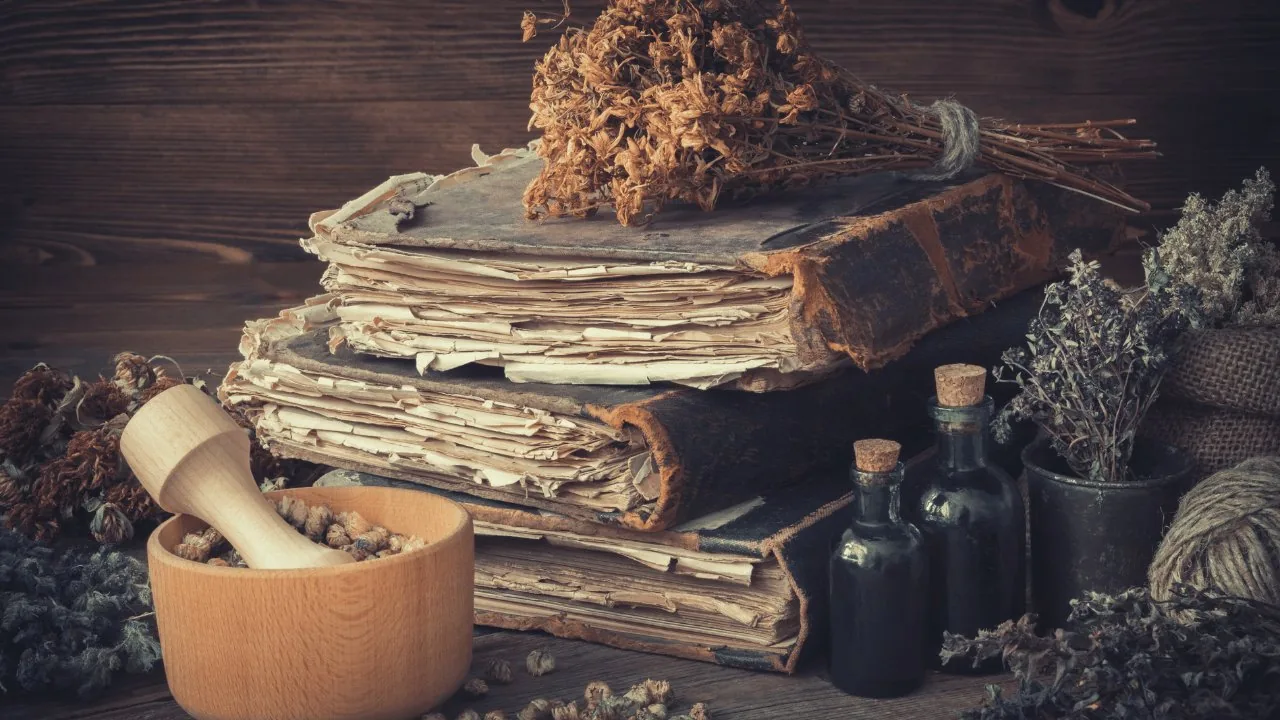
Another example of using whole roots in herbal magic is Adam and Eve’s root. Adam and Eve, or putty root, is from the magical orchid species Aplectrum hyemale. Adam and Eve’s root is used in marriage, obsession, fidelity, and general love spells.
This root has been used in many American traditional witchcraft and rootwork.
Other modern witchcraft disciplines, such as Wiccan herbalism, extensively use herbal magic. Wicca herbal magic utilizes magical teas, magical incense, and essential oils within their discipline. Wicca and other traditions use herbs like mugwort to aid in astral work. Brew a mugwort tea, smoke mugwort, or make it into incense to activate and sharpen psychic abilities.
As you can see, different herbs have different usages. Herbalism is a form of natural magic often used in positive magic. It can be used in more “negative” magic, such as hexes, curses, and other spells with malintent.
Practitioners and witches that primarily use herbs are titled green witches, rootworker, or nature witches.
The Use of Herbs in Early History
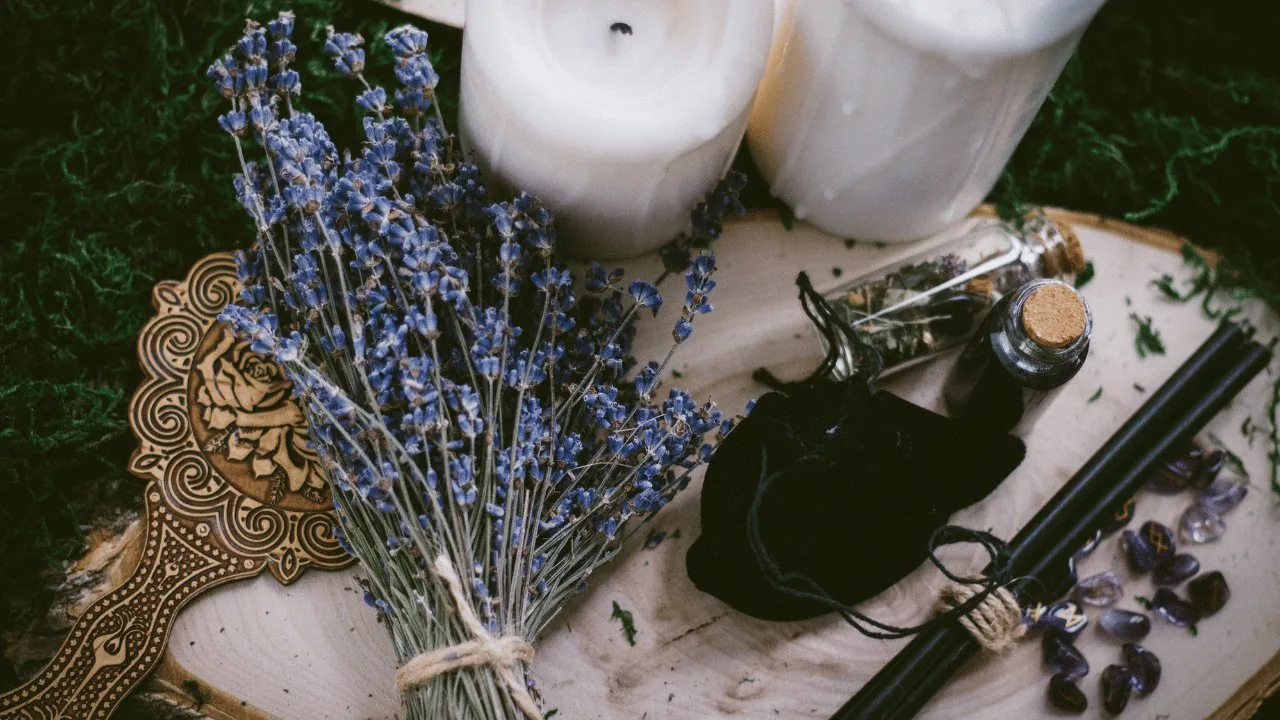
The powers herbs hold are no secret. Discovering the magical properties of spices seems to be a natural process that civilizations and almost all cultures have gone through.
Throughout human history, discovering herbs and cultivating herbal power can be seen as far back as 60,000 years ago in ancient present-day Iraq and 5,000 years ago to the Sumerians. Bay laurel (bay leaves), caraway, and thyme had well-established documented use for medicinal and magical purposes.
We see plants like the Egyptian blue lotus in Ancient Egypt. People burned it as an aphrodisiac, offering to the gods or to sharpen their psychic connection to the spirit realm.
Early herbal magic practices and some observed still believe all plants have a spirit. People respect the plant’s spirit and treat it with authority.
It was thought that plant spirits needed an offering. The offering would make plant spirits activate their properties, set intentions, or show gratitude. The plant spirits accepted offerings such as tobacco smoke, incense smoke, or a special drink such as psychoactive teas and whiskey.
In Native American traditions, like animism, we see this idea that everything in nature has energy and a soul.
The most well-known herbal practice from Native American traditions is the ceremonial use of bundled dried sage. Dried sage, when burned, is said to purify spaces, remove negativity, and neutralize energy.
Another culture where this herbal smoking technique is used is South Africa. A plant called Imphepho is set out in the sun to dry and then bundled together. The dried bundled Imphepho is burned in spaces, altars, and formal settings to signal spirits to come.
Ways To Use Herbal Spells in Rituals
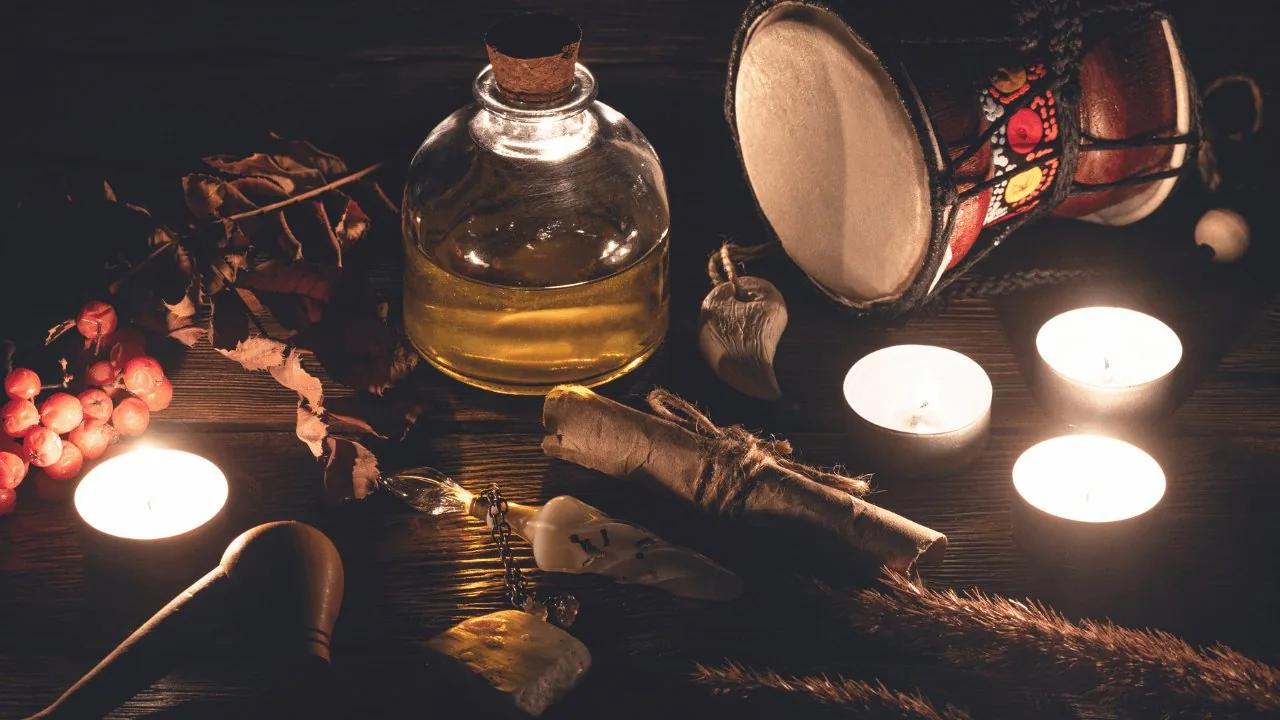
Magical Oils
Owning essential oils is unnecessary, but they are handy for making vibrant aromas. Another way to use herbs in oils is to make your infusion!
Get an air-tight container and a base oil of your choice. Oils like sweet almond, olive, or grapeseed can work. Use the correspondences or availability of each oil to choose.
Add your oil to the jar, and then the fun starts! Grab any herbs you can: cinnamon sticks, bay leaves, or salt, and then you’re done! You can add petals or even other essential oils for fragrance.
Use these oils to dress candles, feed a charm or gris-gris, or anoint an object! Even use it on yourself!
You can use these infused or essential oils in love spells, money spells, protection spells, etc.
For simple yet effective money spells, check out Mystica tutorial!
Magical Incense
Ancient African beliefs, such as Egyptian and present-day Ethiopians, used incense in their healing rituals. Kyphi was a ritual-made incense used in temples and treating ailments.
Ancient Mesopotamian and Jewish beliefs used incense such as myrrh and frankincense to heal, provoke spirits, and bless. Ancient and modern Eastern religions, such as Buddhism, Hinduism, and more, use incense such as sandalwood and cedarwood in sacred spaces.
Eastern Orthodox Christians and Catholics use clay-resin incense during sacred ceremonies today. Another form of fragrant ritual-made incense is the well-known bakur prized in Islamic cultures.
There are so many types of incense to use! The possibilities are endless — from loose-leaf incense, powders, and sticks to using tree resins.
The incense can act as aphrodisiacs, offerings, inducing magical and psychic abilities, correspondences, or to get yourself in the vibe!
The best way to use incense is simple:
Light a stick or cone, herbs or resins on charcoal, or a tea light burner, and let the aroma swirl around you.
Fan the holy smoke over you and speak your intentions. Then carry on with your ritual.
Magical Bath
Herbal Magic: Magical baths are the perfect healing rituals. Use magical baths to bless, uncross, cleanse, purify, remove, or attract things.
Fill a bath or large bowl with water. A bucket can work too. Many traditions believe in letting out the herbs’ properties by boiling or cold soaking. Use the seasonings if you don’t have time, or it doesn’t feel right!
Pour in your herbs of choice. State your intentions over the bath.
If in a bathtub, step into the bath standing. Pour the water from the top of your head into your feet, getting every area of your body. While pouring the healing waters over you, say a prayer, mantra, or phrase related to your intentions. Once done, air dry and meditate on your intentions. Thank the ingredients used. Let the water go down the drain.
If using a bowl or bucket, do the same process. Let the water go down the drain or throw it outside in the dirt.
These healing rituals promote self-empowerment and turn into a gratifying practice if done consistently. This healing bath will encourage peace of mind and constant protection.
Preserving and Storing Herbs
Fresh Herbs
Herbal Magic: We recommend using fresh herbs sooner rather than later.
If you plan on using your fresh herbs soon, bunch the ends of your spices together and tie them with a thread. Store in the fridge for immediate-to-near use.
Or put herbs (such as rosemary, sage, thyme) into a mason jar filled with water. Make sure the water only covers the stems or roots. Store in the fridge for immediate-to-near use!
Dried Herbs
Dried herbs are perfect for later use or to make oil infusions!
Put it into an airtight container, such as a mason jar or Tupperware container, and store it in a cool dark place.
Or put it into an airtight bag and store it in a cool dark place.
Common Magical Herbs
Herbal Magic: The most common way to use magical herbs today is as tea or in sachets.
Teas are perfect because teas can have nutritional, medicinal, and magical effects!
Sachets are simple and effective as they can be brought with you anywhere. A sachet can be made from a teabag, a cloth with a ribbon, or a poppet doll.
Here are two everyday herbs and how you can use them!
Medicinal and Magical Properties of Lavender
Herbal Magic: Lavender can be used in teas and essential oils to promote love, peace, and a good night’s sleep. Medicinally, lavender essential oils and steam have therapeutic benefits for anxiety, headaches, and insomnia.
Lavender has widespread use as it promotes self-empowerment, independence, and relaxation.
A simple way to use lavender is to stuff it under your sheets, pillowcase, or tea bag to ward off negative dreams and psychic attacks.
Medicinal and Magical Properties of Clove
Herbal Magic: Clove can be used as a magical tea to aid divination and astral work. Medicinally, clove tea has antioxidants that help the body and is antibacterial. In Chinese medicine, people use it to treat morning sickness.
Clove is also used in magic to add power to a spell. It intensifies intentions and can help manifestations happen quicker, especially money spells.
A simple way to use clove is to stick four whole cloves into a candle or add clove powder to the length of a candle. Burning a candle dressed in clove will add spice to your spells.
Still interested in more witchcraft spells, tips, and tricks? Check out our Obsession Spell that’ll have your love interest drooling after you.
[[
](https://therelationshippsychics.com/wp-content/uploads/2023/11/PsychicsDraw-1200-×-300-px.hevc_.mp4)](https://shop.therelationshippsychics.com/optinskydp5t2)
Looking to chat with a psychic now?
Connect with our psychics right away by installing our app Mystica Psychic Readings.